Veterinarian examining a horse during an acupuncture treatment.

Treatment

Treatment Process

From the first conversation to follow-up – what you and your horse can expect.

Treatment process

This is how I usually work – from the initial conversation with the owner through examination and acupuncture to aftercare and follow-up.

  1. 1

    Step

    Conversation with the horse owner

    Before I examine the horse I set aside time to talk with you as the owner. We discuss the current problem, previous illnesses and injuries, feeding, management and how the horse behaves in everyday life. As a veterinarian I look at the case both from a Traditional Chinese Medicine perspective and from a conventional medical point of view, and when necessary I recommend further diagnostics such as X-ray or ultrasound.
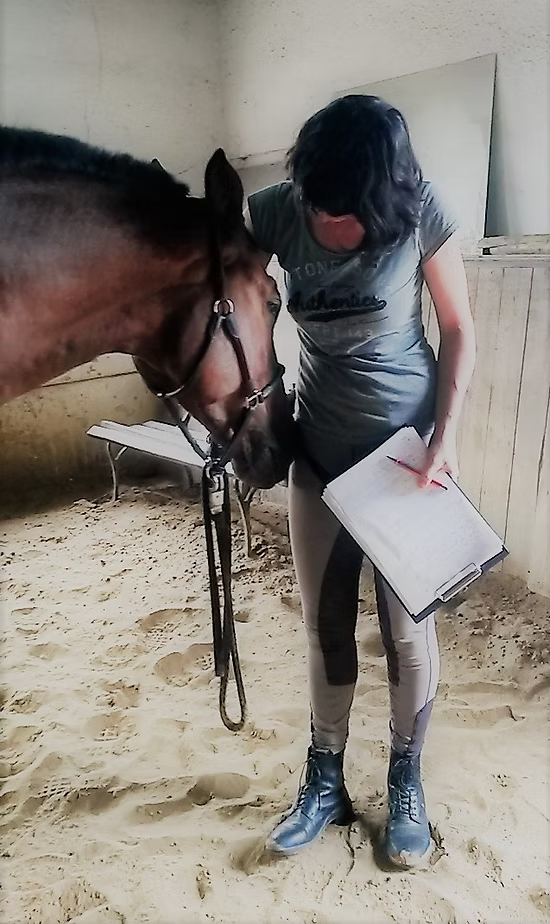
    Veterinarian talking with a horse owner in the stable, taking notes on a clipboard.
  2. 2

    Step

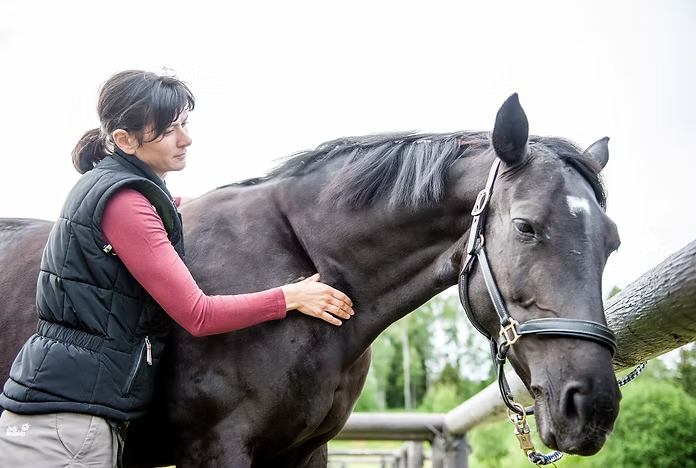
    Examination of the horse

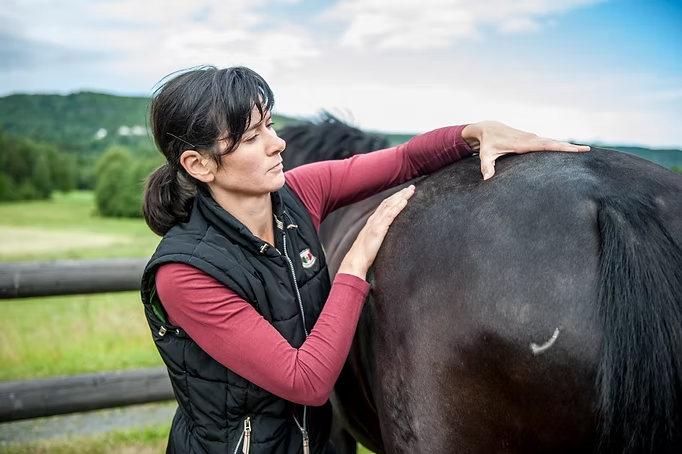
    During the examination I look at body condition, coat and general expression, and palpate systematically from head to hoof. Horses often show pain or defensive reactions when sensitive acupuncture points or scar tissue that block energy flow are touched. I also like to see the horse in motion, often on the lunge without saddle or training aids. This gives important information, especially when rideability and performance are part of the problem.

    Hands examining a horse’s back during a physical assessment outdoors.
    Hands examining a horse’s back during a physical assessment outdoors.
  3. 3

    Step

    The acupuncture treatment

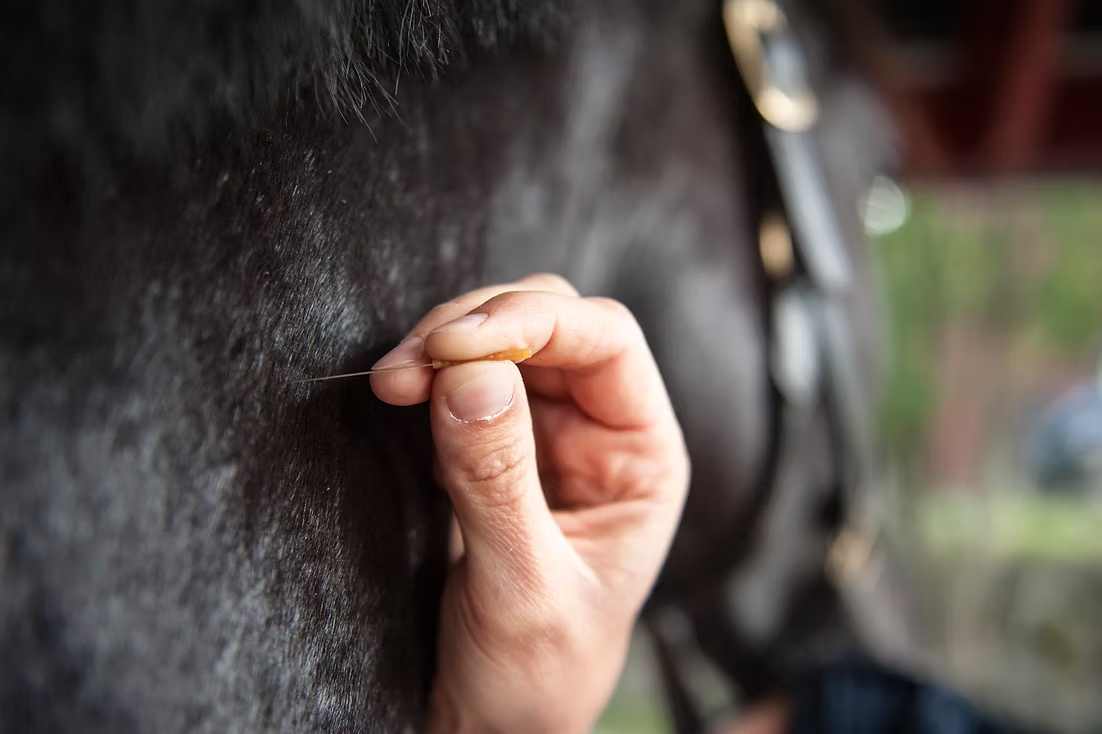
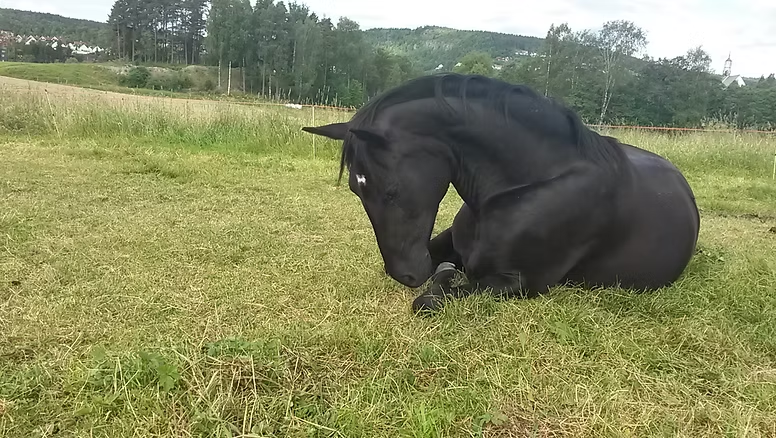
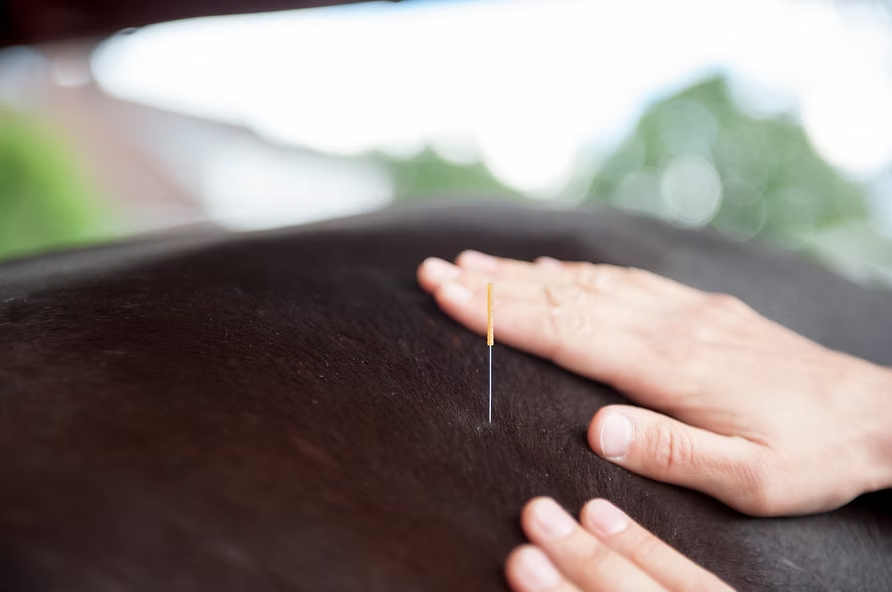
    Once we have an overall picture I select acupuncture points tailored to your horse. Fine, sterile needles are placed in 1–6 points that either release underlying blockages or support the body’s own healing processes. The needles usually remain in place for around 20 minutes. Many horses become clearly more relaxed, lowering the head, chewing or yawning; a few may be a little restless at first because of the unfamiliar sensation.

    Close view of an acupuncture needle being placed in a horse’s neck.
  4. 4

    Step

    Aftercare and further measures

    On the day of treatment the horse may be worked before, but not after, acupuncture. For the following two days I recommend only light work – the body needs time to respond to the needles. Many horses show changes after the first session, but a series of treatments is usually needed for a stable, long-term effect. The interval is most often 1–2 weeks and is adapted to each individual horse. A temporary worsening of symptoms can occur and is seen as part of the response; please contact me if you are unsure.

    Black horse lying relaxed in a grassy field after treatment.